
Caring for Your Smile
Home Care While You’re in Treatment
Your treatment only works as well as your daily care. We grouped the essentials below — tap any topic to expand. If you’re ever unsure, call us first.
01 · Every Day
Everyday Habits
The non-negotiables that keep your teeth healthy and treatment on schedule.
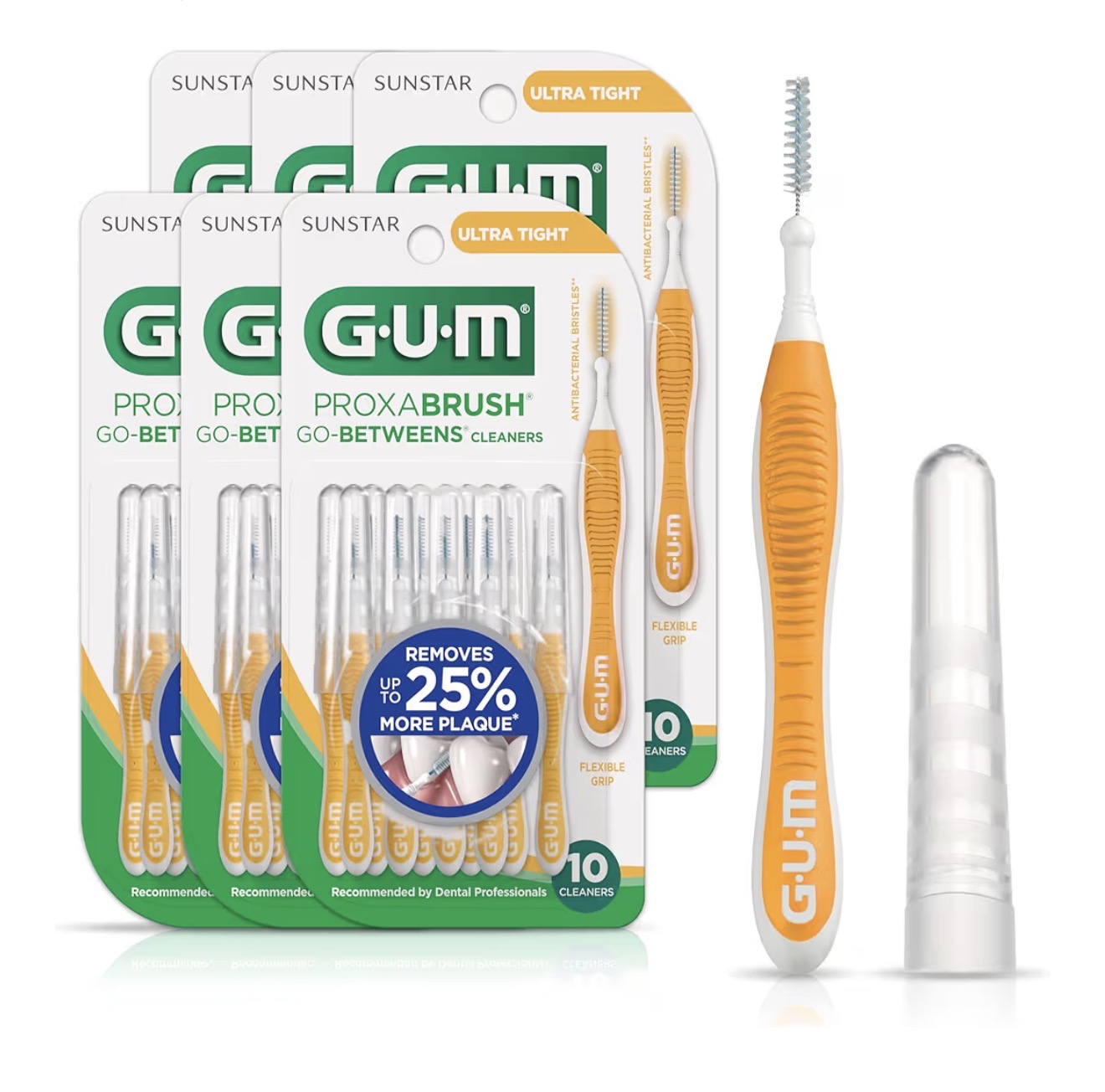
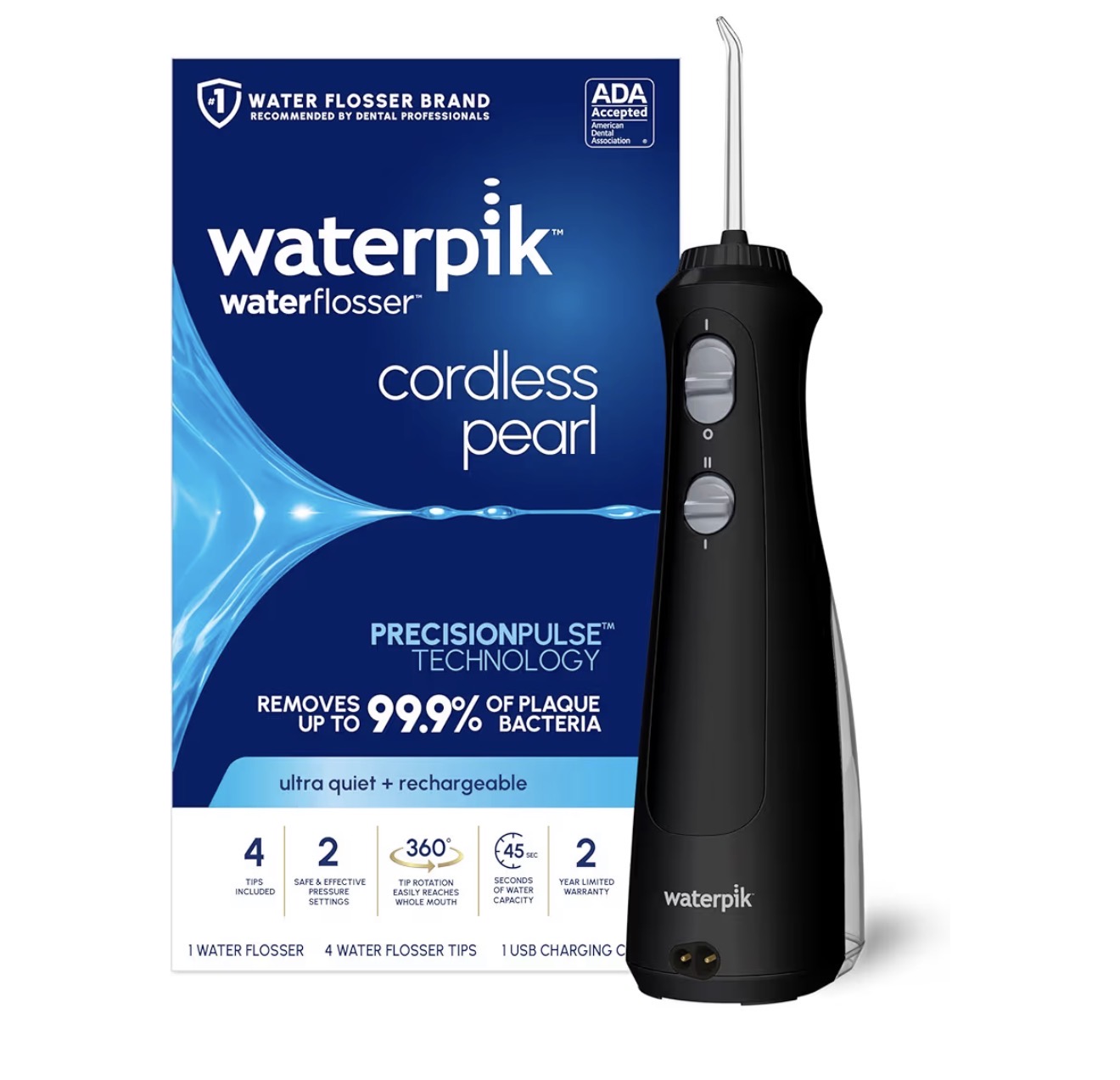
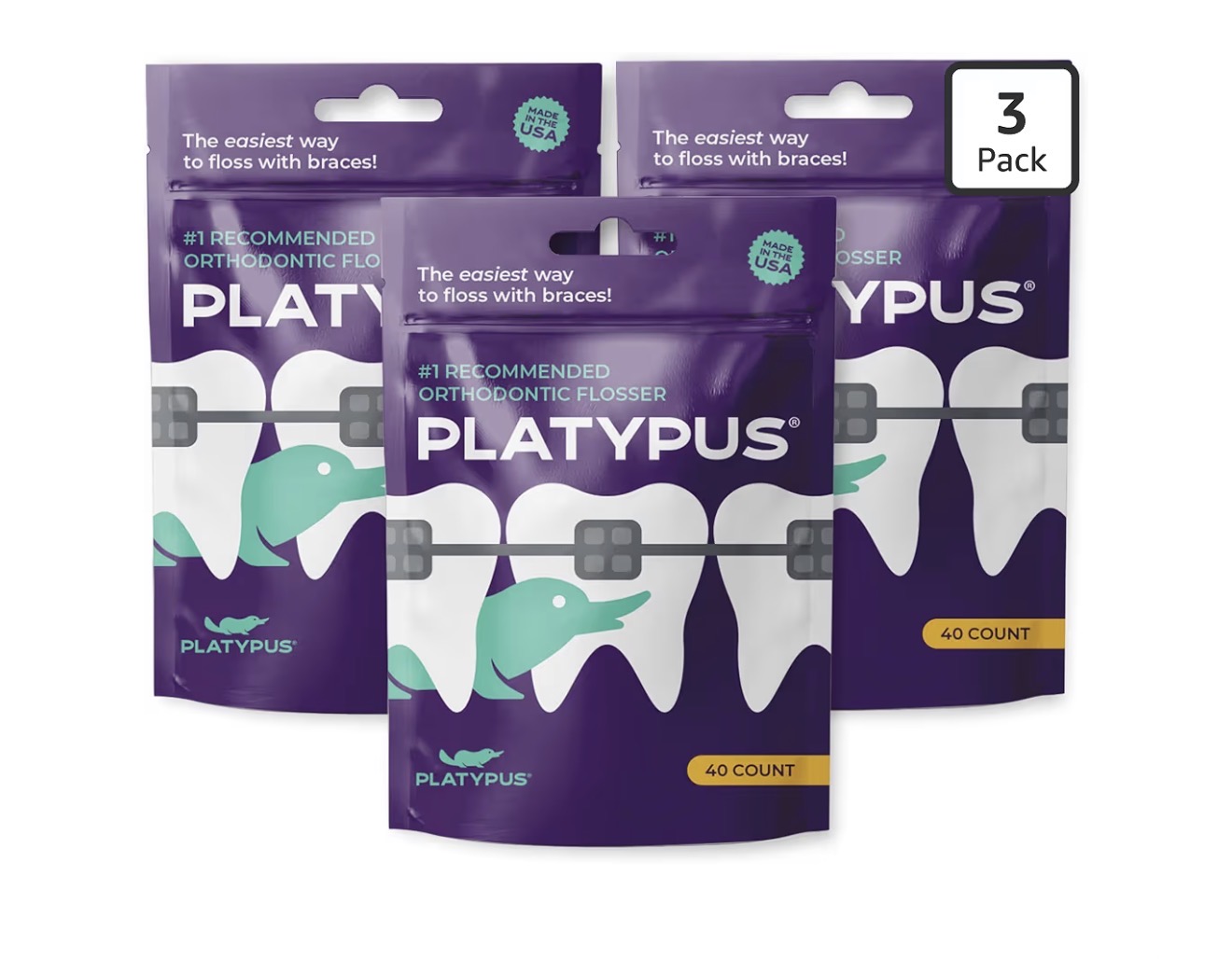
Braces make it harder to fully clean your teeth and gums. Food lodges between teeth, so careful brushing and flossing matter more than ever. Brush after every meal and snack — any plaque left behind can create a permanent white spot on the tooth surface. Use a soft toothbrush in small circles at a 45-degree angle around every bracket, and replace it when the bristles fray. Electric toothbrushes are great. Daily flossing is non-negotiable — use a floss threader or super floss to slip under the wire, or a water flosser for an easier daily routine.
Hydrogen-peroxide mouth rinses help reduce inflammation in the cheeks and gums that can be caused by orthodontic braces. They also help prevent infection, reduce irritation, and heal minor brace-related sores or scrapes. Use as directed on the bottle, typically once or twice a day. A fluoride rinse a few times a week protects the enamel around your brackets.
The wrong food can break a bracket and add weeks to your treatment. Skip these while you’re in braces: sticky foods and candies (caramel, taffy, gum), hard foods and breads (bagels, crusty rolls, hard pretzels), nuts, popcorn, chips, raw carrots, ice, and overly sugary foods and drinks. When in doubt, cut it small and chew with your back teeth. Carbonated drinks are okay in moderation but rinse with water after.
02 · When It Gets Bumpy
When Things Get Tough
The minor stuff most patients run into — and how to handle it without panicking.
It’s normal to feel some soreness for two or three days after you receive your braces, or after an adjustment. A standard over-the-counter pain reliever handles most of it, and warm salt-water rinses can ease tender gums. Soft foods (yogurt, smoothies, scrambled eggs, pasta) help during the tender days. Call us if you have sharp, persistent pain, or if a bracket or wire is causing a sore — those we can fix in a quick visit.
If Dr. Grover prescribes elastics, wearing them as directed is the single biggest thing you can do to keep treatment on schedule. Change them daily — fresh elastics pull at full strength, stretched-out ones don’t. Take them off only to eat and brush. Skip a day and your teeth start drifting back; skip a week and you’ll lose real progress. Keep extras in your bag, your locker, your car.
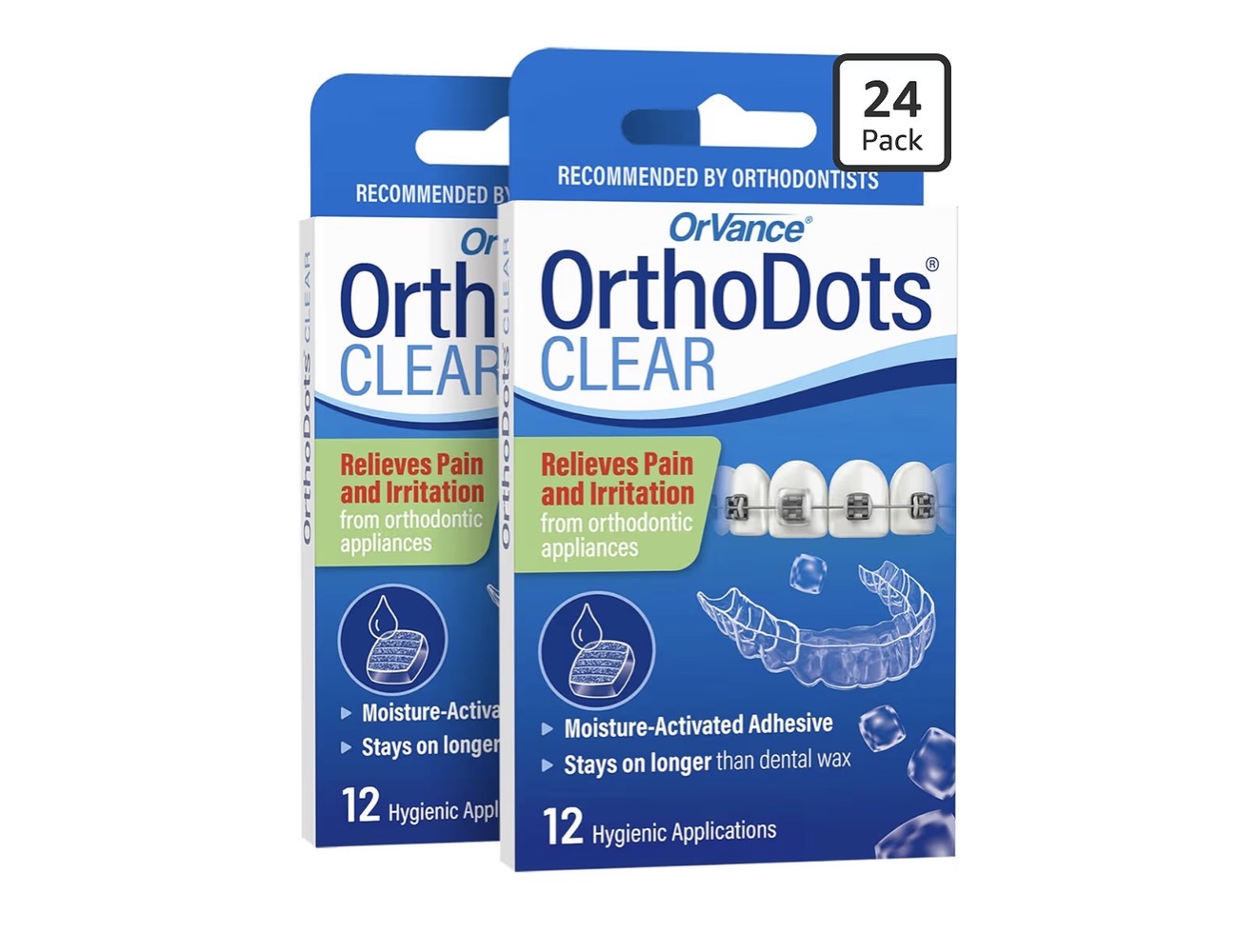
Most “emergencies” are actually quick fixes. Here’s the short list: Loose bracket: leave it alone if it’s not bothering you and call us to schedule a re-bond. Poking wire: use a pencil eraser or the back of a spoon to gently push it flat, or cover the end with the orthodontic wax we sent home. Lost elastic: use a spare from your bag and stay on schedule. Lost retainer: call us right away — teeth shift fast without one. Real emergencies (severe pain, swelling, a wire trapped in tissue) deserve a same-day call to the office. If it’s after hours, call and follow the prompts.
03 · Special Cases
Aligners & Retainers
If you’re in clear aligners, or just out of braces and into retainers, this section’s for you.
Aligners only work when you wear them — aim for 20 to 22 hours a day, every day. Remove them only to eat, drink anything other than water, and brush. Rinse them in cool water after removing (hot water warps the plastic). Brush them daily with a soft toothbrush and clean water — no toothpaste, which scratches the surface. Store them in their case when out of your mouth (never wrap them in a napkin — that’s how they end up in the trash). Switch to the next set on the schedule Dr. Grover gives you.
Retainers are how a finished smile stays finished. Wear yours exactly as prescribed — often full-time for the first few months, then nights-only for the long haul. Clean removable retainers daily with a soft brush and cool water (or a denture cleaner soak once a week). Bonded retainers behind your front teeth need careful flossing with a threader. Store removable retainers in their case when they’re not in your mouth — wrapped in a napkin is how they get thrown away. Bring your retainer to every checkup so we can make sure it still fits.
Keep these together in a small pouch you carry everywhere: a travel toothbrush, a small tube of toothpaste, a floss threader or interdental brushes, a strip of orthodontic wax, spare elastics if you wear them, and your retainer case. With this, almost any home-care snag is solvable on the road.
Something Not Right?
Call Us — Don’t Wait
Loose bracket, poking wire, lost elastic, anything weird? A quick call usually saves an emergency visit. We’d rather hear about it on day one than day seven.